The First Cut
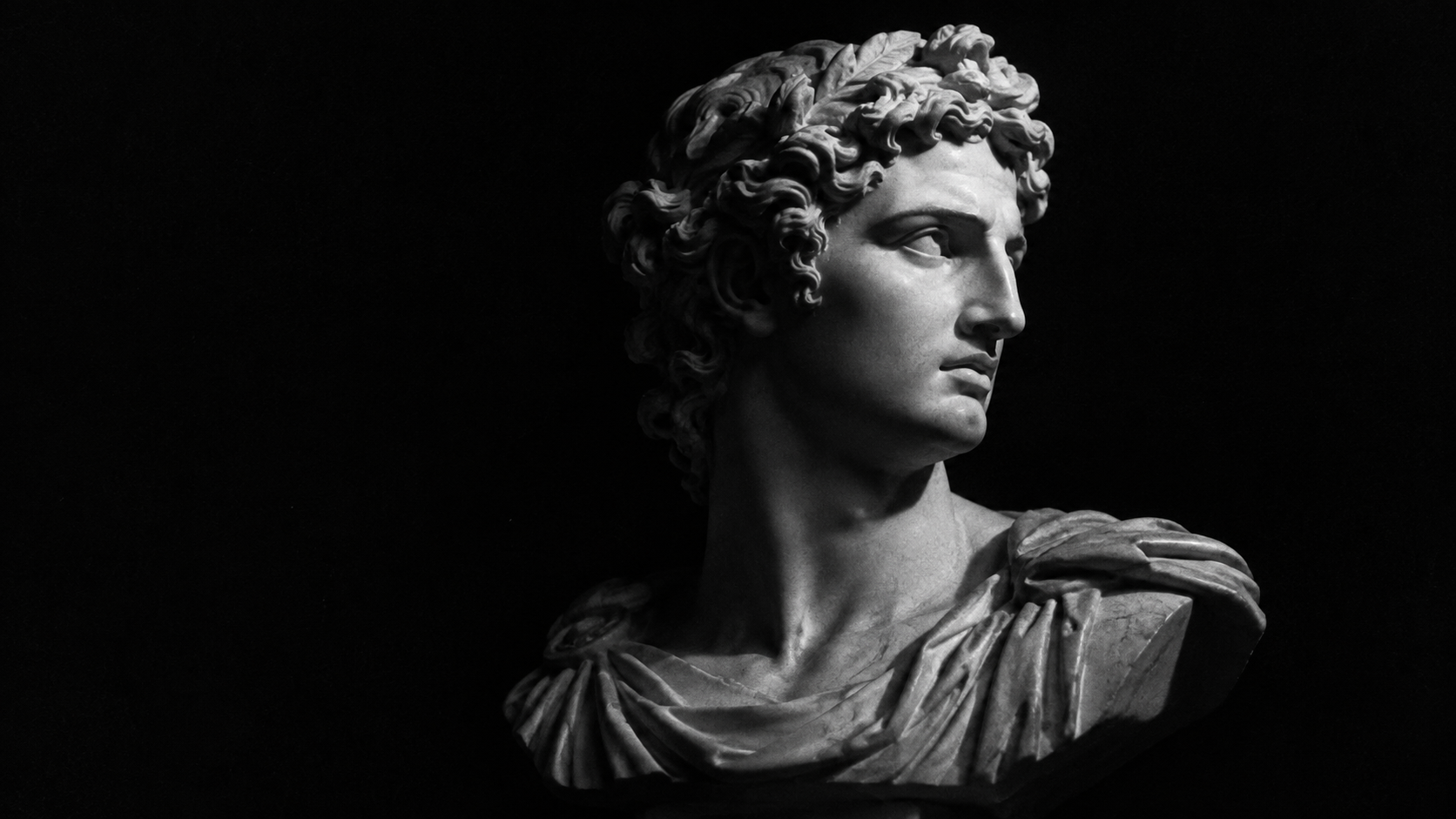
Once, the world was not a map. There were no countries, no clocks, no names for rivers, and no borders. A forest was not made of “trees,” a river was not a “river,” and the night could simultaneously be time, space, and danger. For early humanity, the world was not a collection of separate objects, but one vast and continuous event, where thunder, hunger, cold, fire, and death coexisted with hardly any defined edges.
And then man picked up a stone and made the first cut. He severed meat from bone, root from soil, the edible from the poisonous, his tribe from the stranger. But something far more consequential followed: humanity learned to make incisions within its own mind.
To name a thing is to carve it out from chaos.
When a person speaks the word “fire,” an infinite force of nature collapses into a concept. It can now be studied, preserved, and handed down. Thus the first intellectual instruments came into being: tree, water, animal, human, cause, effect.
We did not stop. Land was partitioned into plots—and ownership appeared. The day was divided into hours—and synchronization arose. The year was split into seasons—and with it came the power to plan the harvest. The world became measurable, and what was measurable became controllable.
Thus was born the guiding principle that granted humanity mastery over the unknown for millennia:
if you cannot understand the whole, break it into parts.
The Greatest Triumph of This Principle
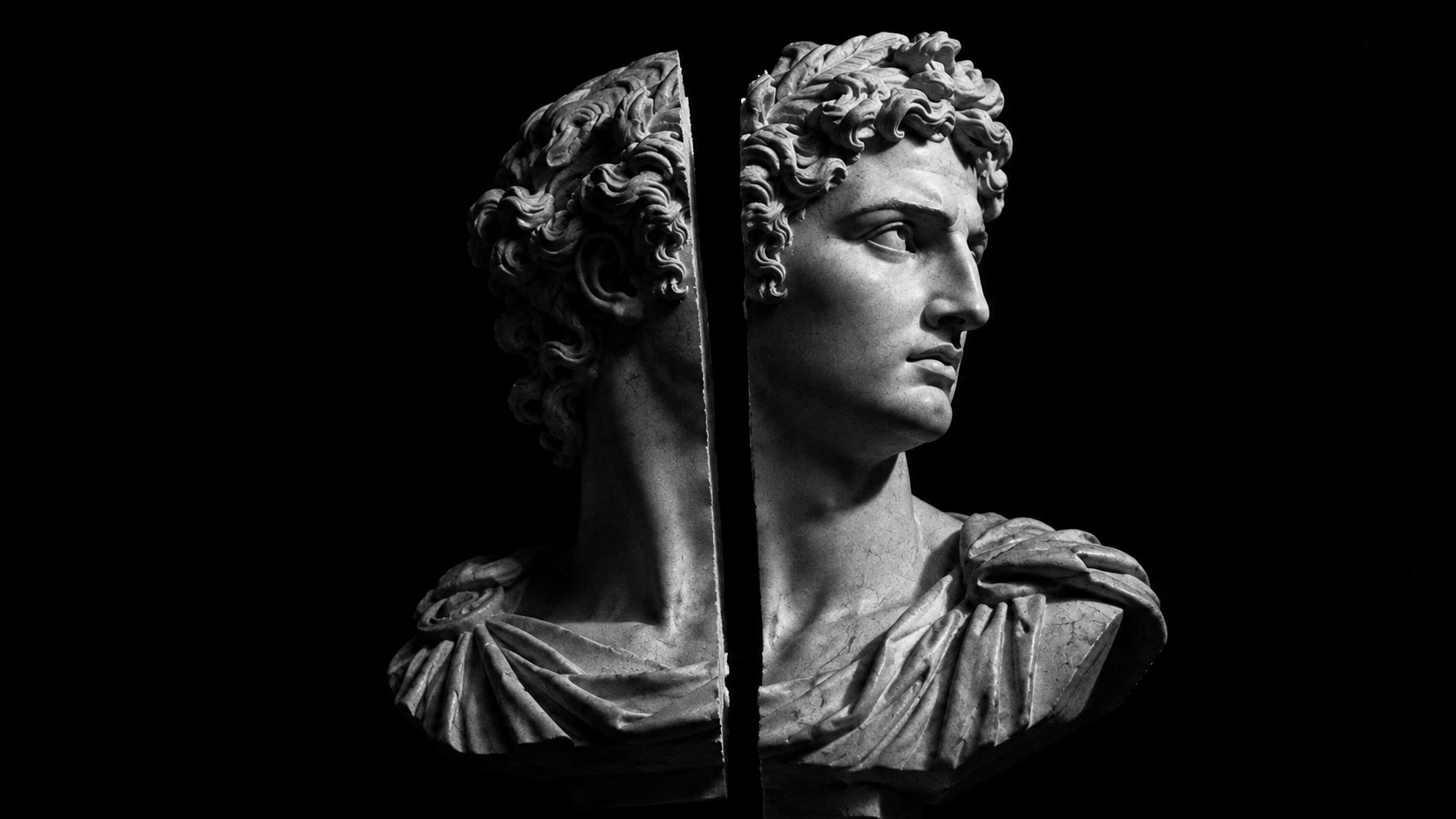
In time, division evolved from a survival tactic into the defining method of science and modern civilization.
The mechanistic worldview taught us to perceive the Universe as a monumental clockwork mechanism: if the clock breaks down, you don't fear it—you disassemble it. Locate the gear. Understand it. Replace it.
We cleaved nature into distinct sciences, organisms into organs, organs into tissues, tissues into cells, cells into molecules, and molecules into atoms. Every subsequent division unlocked an entrance into an entirely new stratum of reality.
The exact same logic transformed industry. The assembly line turned the manufacturing of an automobile from a monolithic challenge into thousands of discrete, minute operations. A worker no longer needed to grasp the entire machine—it was sufficient to execute a single task with flawless repetition.
Division delivered science, mass production, engineering rigor, and our technological modern world.
And precisely because it proved so exceptionally powerful, we came to believe that anything in existence could be decoded if only sliced deep enough.
When the Knife Becomes Too Sharp
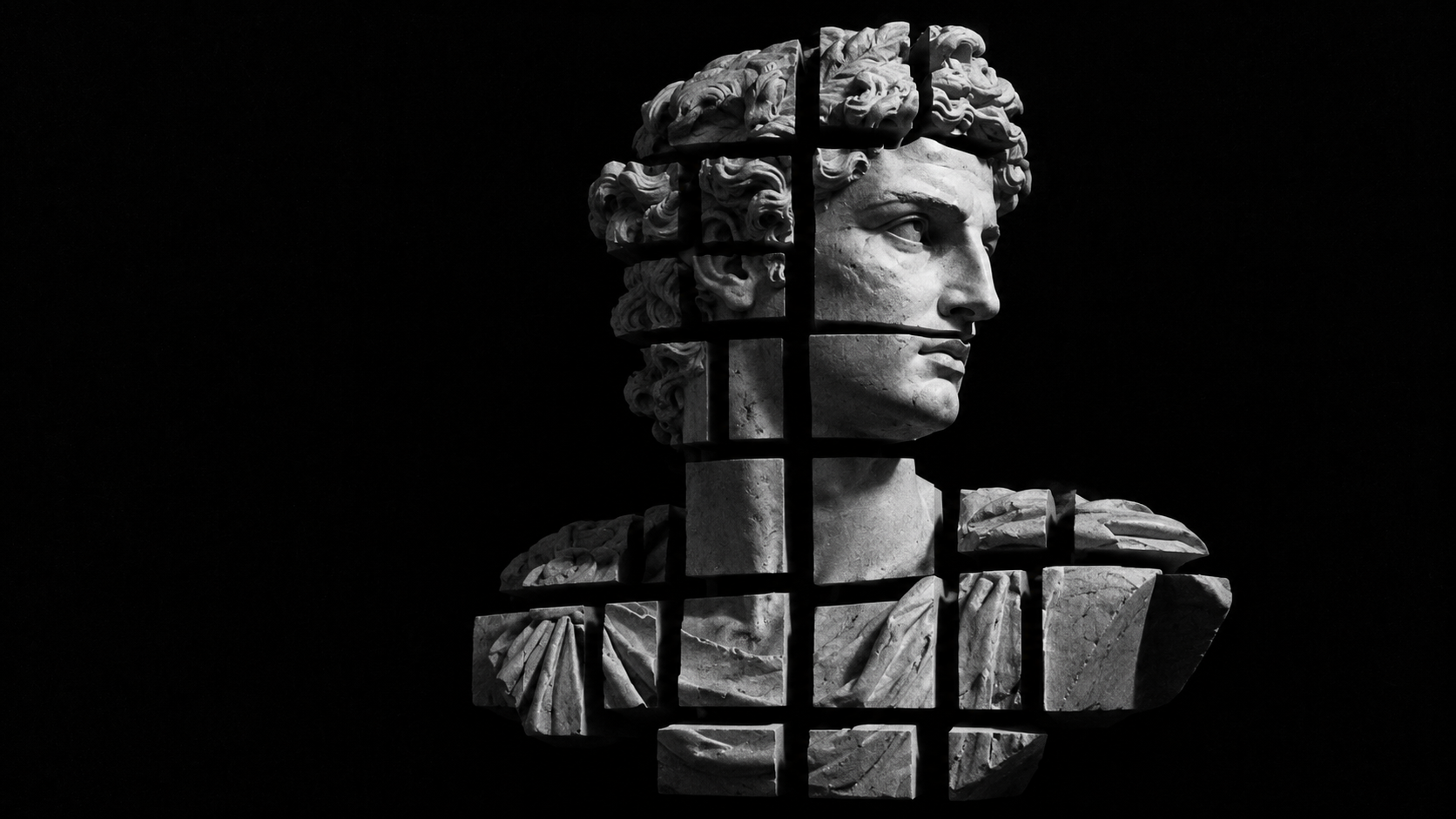
Yet the very tool that enables us to comprehend reality can eventually begin to fracture it.
Time shifted from an organic flow into a spreadsheet: 09:00, 09:15, 09:30. Attention flattened into metrics: retention rates, click-throughs, and seconds watched. Conversation diminished into notifications. Knowledge into bite-sized content. A human being into a profile of behavioral figures.
We mastered the art of measuring nearly everything, except what matters most.
We can measure heart rate, cortisol levels, sleep cycles, and kilometers logged. Yet no sensor can explain why we are running in the first place.
We can resolve a photograph into millions of distinct pixels. But in which exact pixel does the memory reside?
We can capture a symphony as a frequency spectrum. But where on the waveform does the music live?
We can enumerate every neurochemical pathway in the brain. But in no individual neurotransmitter will you find the love for someone you have lost.
We can catalog the constituent parts with absolute perfection and still remain blind to what emerges between them.
The Invisible Architecture of Connections
Consider water.
To quantum chemistry, a single isolated H2O molecule can be described with exhaustive precision: two hydrogen atoms, one oxygen atom, a bond angle of 104.5 degrees, mass, and a dipole moment.
Yet not a single isolated molecule is “wet” or “liquid.”
It has no temperature. It possesses no wetness, cannot flow, cannot put out a flame, nor freeze into the intricate hexagonal symmetry of a snowflake. Not one of the attributes for which we value water—from global oceanic currents to the delicate biochemistry of a living cell—is encoded within the solitary particle itself.
These qualities are born inside the dynamic lattice of hydrogen bonds, endlessly weaving and dissolving across billions of neighboring molecules.
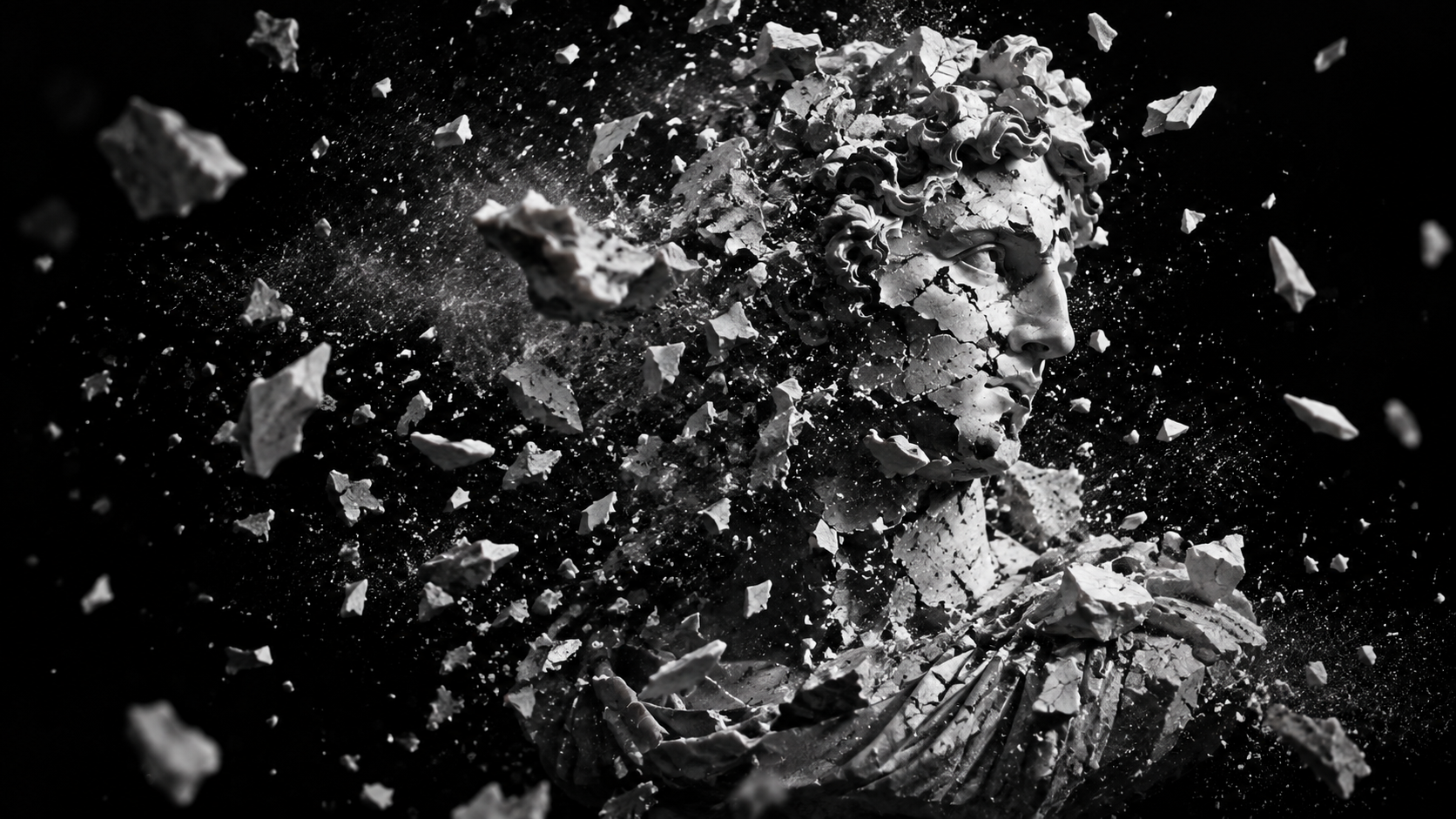
If you break water down to individual molecules and inspect each one under a flawless microscope, a profound paradox emerges: we will possess total knowledge of the matter, yet remain entirely incapable of predicting the ocean.
Because the physics of a complex world does not dwell within the isolated elements. It awakens in the space between them.
And this principle runs through the very fabric of existence.
An isolated note is not yet music.
An isolated cell is not yet life.
An isolated word is not yet meaning.
An isolated human is not yet culture.
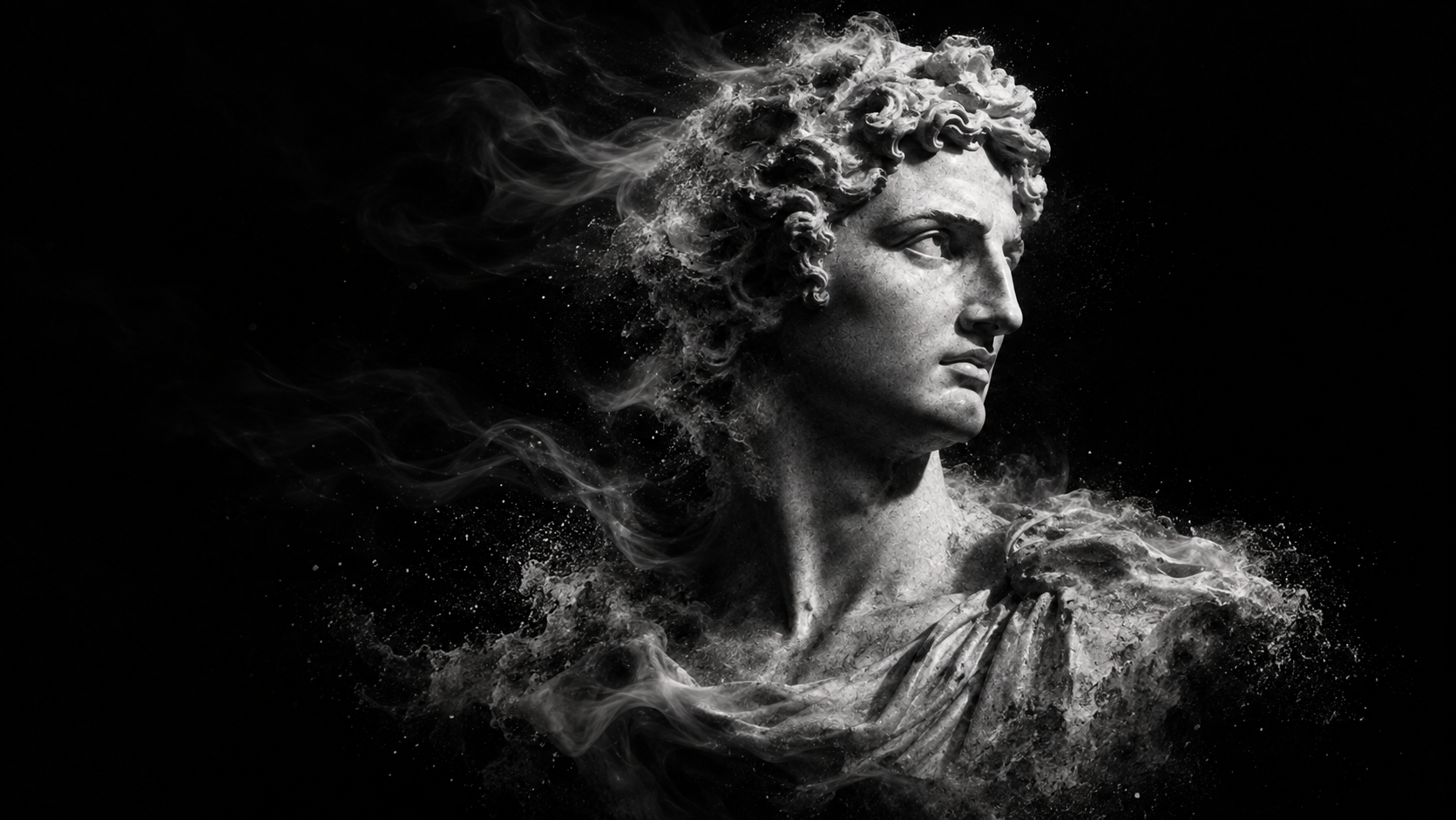
True essence is never locked inside isolated things—it glimmers in the spaces between them.
The Grand Illusion of Boundaries
For centuries we assumed that by relentlessly cutting into the world, we would arrive at foundational building blocks—indivisible primary units that exist independently on their own terms.
Yet fundamental science in the 21st century delivered a shattering blow to this conviction: in nature, there are no truly isolated “things.”
In quantum physics, the 2022 Nobel Prize decisively put an end to the doctrine of local realism. Quantum entanglement proved that two particles can be separated by light-years of cosmic void while remaining components of an indivisible wave function. There is no travel time, no hidden wire, yet altering one state is instantaneously reflected in the other. Space, which once appeared to be an absolute divide, turned out to be an illusion of the macroscopic realm. At its deepest core, reality is non-local.
In contemporary biology, the notion of a discrete, closed “organism” has disintegrated. Genetics established that the human body is a holobiont: an entire ecosystem where more than half of the cells belong to microbiome bacteria orchestrating immunity and brain chemistry, while ancient retroviruses are etched directly into our DNA. The boundary separating “self” from “environment” has dissolved: life exists only as an interconnected symbiosis.
Even in artificial intelligence, we collided with the very same constraint. We engineered the ultimate linguistic dissection—tokenization, turning thoughts into sequences of raw numerical vectors. Yet no reasoning resides within an individual line of code or a single static vector. The intelligence of large models ignites only through the Self-Attention mechanism—a high-dimensional geometry of reciprocal relationships evaluated across all tokens at once.
Wherever we point our modern instruments of inquiry, the verdict remains identical:
The world was never an assortment of disconnected parts.
The parts existed solely within the interface of our perception.
We created immaculate digital scalpels. We split the atom, chopped sound into ones and zeros, and translated time into processor clock cycles. But we have arrived at the frontier where this method yields diminishing returns. Neither the enigma of consciousness, nor the fundamental physics of the cosmos, nor the architecture of mind will surrender to mere mechanical dissection.
The future of knowledge does not belong to those who cut with unmatched precision. It belongs to those who learn to perceive the network.
The Next Frontier
Yet the answer is not to throw away the knife.
Without the uncompromising blade of analysis, we would possess neither neurosurgery, nor semiconductors, nor quantum electrodynamics, nor the scientific method itself. The danger never lay in our ability to cut. The danger lies in the naive assumption that the incision is the supreme law of reality.
We had to dismantle the world into gears to banish our dread of the dark. But today, this method has reached its technological ceiling.
Throughout the last century, science continually asked:
“What fundamental building blocks is this made of?”
The coming era requires that we ask the next question:
“What emergent complexity takes shape in the space between them?”
It is not enough to sequence the genome—we must decipher the nonlinear topology of how it is expressed.
It is not enough to pack billions of transistors onto silicon—we must comprehend the emergent nature of intelligence.
It is not enough to harvest petabytes of isolated data—we must learn to weave them into coherent meaning.
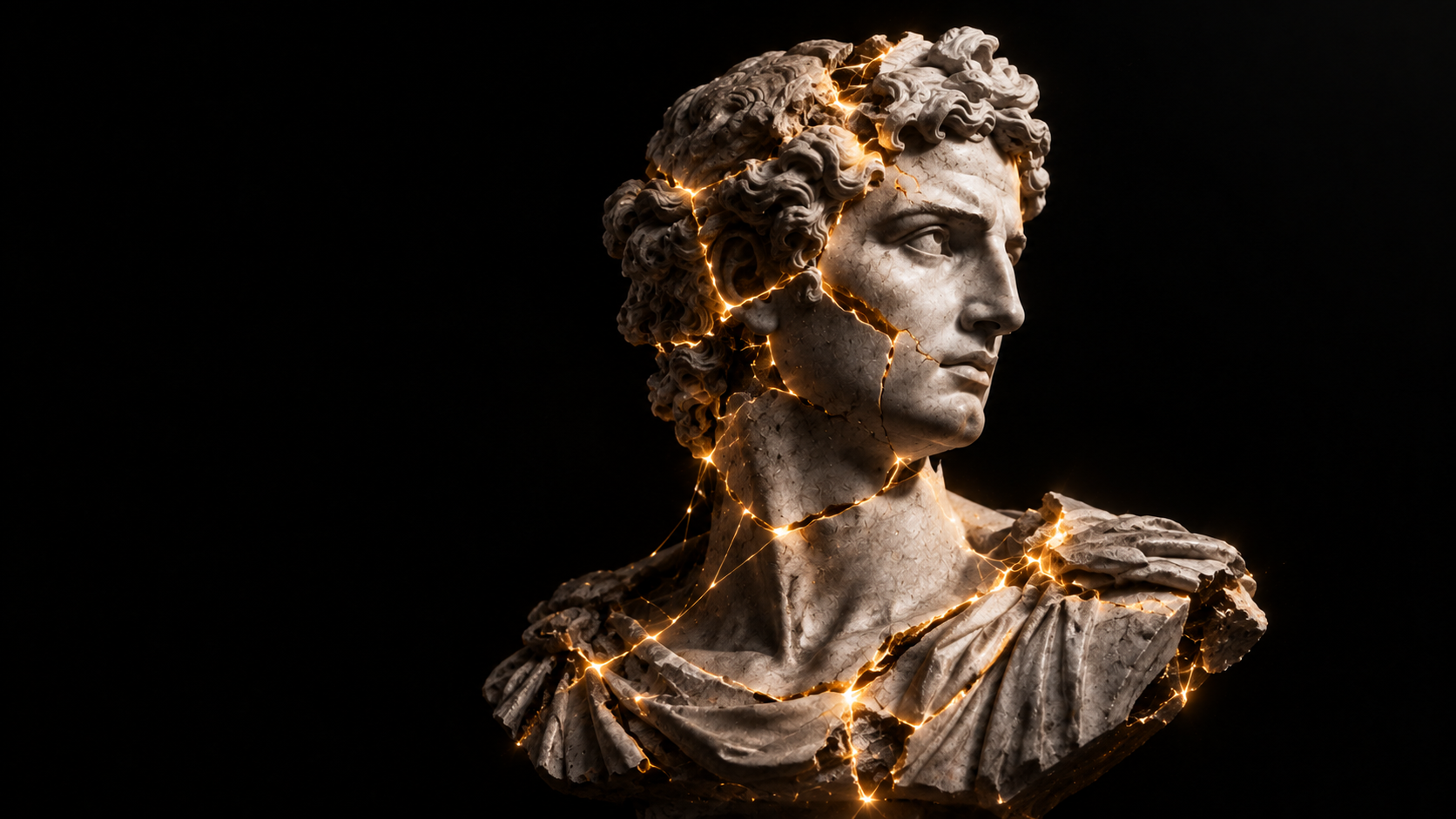
Pure reductionism has run its course. The era of Synthesis has arrived.
The defining feat of our generation is not to uncover an even smaller subatomic particle or develop another narrow optimization routine. It is to mend and reweave the fractured tapestry of reality.
We spent centuries honing the edge of the blade with which we shattered the Universe into components.
The time has come to change our tools.
Not a knife.
A bridge.